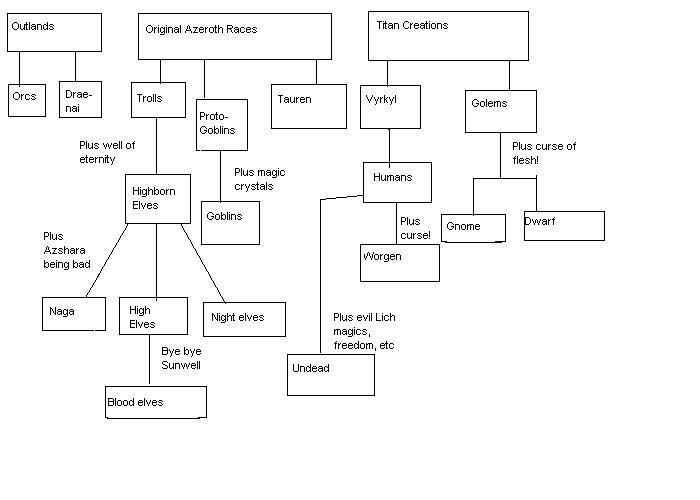
On a family trip (randomtastic!) to Hay On Wye I picked up a book on ‘The Art of Game Worlds’ from Ilex books (Amazon). Published in 2004 it has some wonderful illustrations of some deeply involving game environments many of which are based entirety in fantasy. This, and a comment made by a friend about how the mythology of WoW is ‘lost on him’ got me thinking about the importance of solid and developed game ‘worlds’ as apposed to ‘environments’.
In many games (large scale RPGs and MMOs the obvious exceptions) understanding ones immediate environment has much more of an impact on the game than understanding the world as a whole. Indeed, because it is the environment that we are interacting with, rather than the world, many of the additional social, cultural, and even physical parameters of the game world are simply adopted from our own real life in order to ensure they are not a barrier to understanding. In ‘Borderlands 2’, for example, the populus are a distinct breed of ‘southern hick’ not just in their appearance and dialogue, but also in their sociocultural presentation. It is not important for the player to understand WHY they are surrounded by the population of Arkansas, only that they should respond and appreciate them as such.

Is it valuable then for a game designer to waste time building a complicated and intricate historical backdrop to the immediate environment? Or would the immediate challenges of gameplay be enough? Does the relationship between the Blood Elves and the Night Eleves matter even to players in the RP realms when the cooldown of Judgements being lowered by .5 seconds is all both the player AND the ‘real life’ Paladin would really care about?